.jpg)








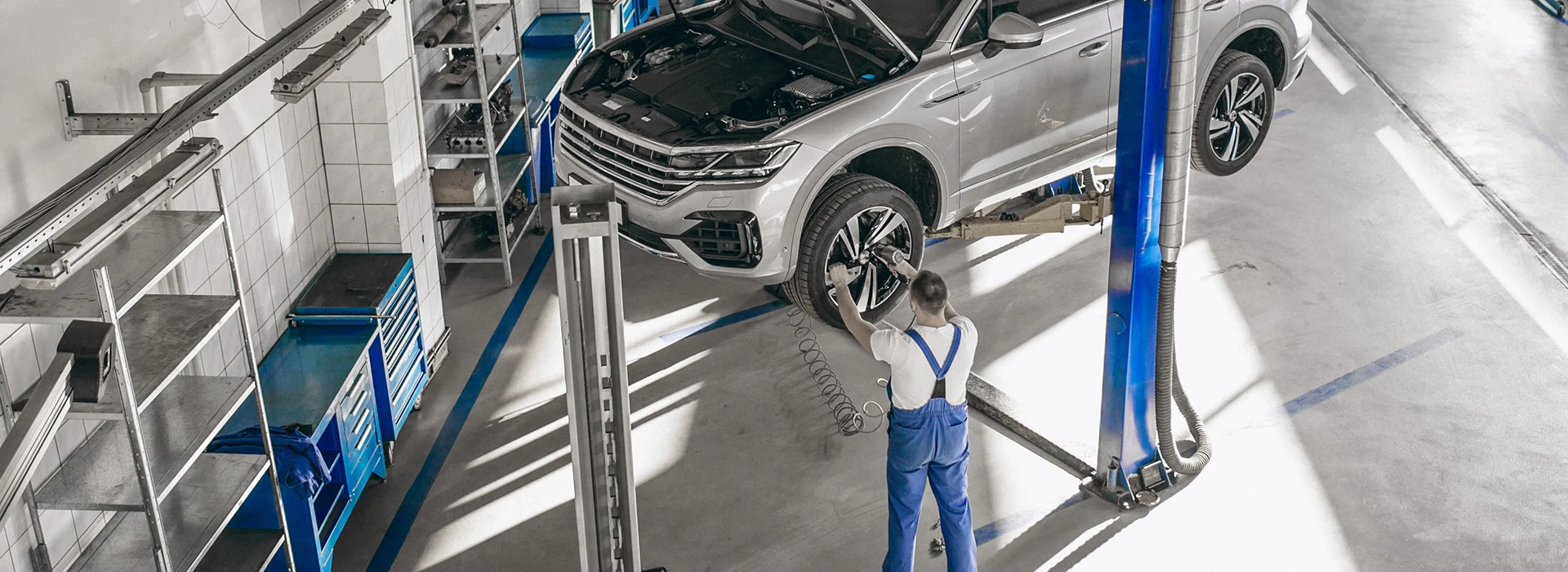
Expert Tire Rotation Services in Philadelphia at OccaNova
Tire rotation involves moving your tires from one position on the vehicle to another, ensuring even wear and enhancing safety on the road. Our skilled technicians perform this service efficiently, typically within 60 minutes, so you can get back on the road quickly and confidently.
Regular tire rotation not only promotes even tread wear but also helps maintain optimal traction, improves fuel efficiency, and can save you money by preventing premature tire replacement. At OccaNova, we combine friendly customer service with professional expertise to provide a seamless experience for car owners in Philadelphia.
Whether you drive a sedan, SUV, or truck, our team is equipped to handle your tire rotation needs with care and precision. Trust OccaNova to keep your tires in top condition and your vehicle running smoothly. Contact us today to schedule your tire rotation service and experience the difference quality maintenance can make.
Why is regular tire rotation important?
- Extends Tire Life: Tires wear unevenly due to differences in weight distribution, driving habits, and road conditions. For example, front tires often wear faster because they handle steering and most braking forces. By rotating your tires regularly, you balance out this wear, helping all tires last longer and saving you money on premature replacements.
- Improves Vehicle Performance: Evenly worn tires contribute to better handling, traction, and braking. This means your vehicle will respond more predictably and safely, especially in challenging driving conditions like wet or icy roads.
- Enhances Fuel Efficiency: Uneven tire wear can increase rolling resistance, causing your engine to work harder and consume more fuel. Regular rotation helps maintain optimal tire condition, which can improve your vehicle's fuel economy.
- Maintains Warranty Compliance: Many tire manufacturers require regular rotation to keep the warranty valid. Following the recommended rotation schedule ensures you can take full advantage of any warranty benefits.
How often should you rotate your tires? Most experts recommend rotating tires every 5,000 to 8,000 miles, or roughly every other oil change. However, always check your vehicle’s owner manual for specific guidelines.
In summary, regular tire rotation is a simple, cost-effective way to extend the life of your tires, improve your vehicle’s performance, and enhance safety on the road. Make it a part of your routine car maintenance to enjoy smoother rides and better value from your tires.
- Uneven Tire Wear: If you notice that the tread on one or more tires is wearing down faster than the others, it’s a clear sign that rotation is needed. Uneven wear can affect handling and reduce tire lifespan.
- Vibration While Driving: Feeling vibrations or wobbling in the steering wheel or through the car body can indicate uneven tire wear or imbalance, which tire rotation can help address.
- Pulling to One Side: If your vehicle tends to pull to the left or right while driving straight, uneven tire wear might be the culprit, signaling the need for rotation.
- Visible Tire Damage: Look for signs like cupping, scalloping, or bald spots on your tires. These irregularities often result from uneven wear and can be improved with regular rotation.
- Time and Mileage: Even if you don’t notice obvious signs, it’s recommended to rotate your tires every 5,000 to 7,500 miles or as advised in your vehicle’s owner manual to ensure even wear.
Regular tire rotation not only extends the life of your tires but also enhances your vehicle’s safety and performance. Keep an eye out for these signs and consult a professional if you’re unsure. Your tires will thank you!
1. Forward Cross
This is the most common rotation pattern for front-wheel-drive vehicles. In this pattern:
- The front tires move straight back to the rear axle on the same side.
- The rear tires cross to the front axle, switching sides (left rear to right front, right rear to left front).
When to use: Ideal for front-wheel-drive cars with non-directional tires.
2. Rearward Cross
Typically used for rear-wheel-drive and four-wheel-drive vehicles, this pattern involves:
- The rear tires move straight forward to the front axle on the same side.
- The front tires cross to the rear axle, switching sides.
When to use: Best for rear-wheel or 4WD vehicles with non-directional tires.
3. X-Pattern
In this pattern, all tires are rotated diagonally:
- Each front tire moves to the opposite rear position.
- Each rear tire moves to the opposite front position.
When to use: Suitable for front-wheel-drive vehicles and when a simple rotation is preferred.
4. Front-to-Rear (Straight) Rotation
Here, tires are moved directly from front to rear on the same side without crossing:
- Front left tire moves to rear left.
- Rear left tire moves to front left.
- Same for the right side.
When to use: Recommended for vehicles with directional tires or staggered wheel sizes where crossing tires is not possible.
5. Four-Wheel Drive (4WD) or All-Wheel Drive (AWD) Rotation
For 4WD or AWD vehicles, a common pattern is the rearward cross or a variation that ensures even wear on all tires, often combined with tire balancing and alignment checks.
When to use: Always follow the vehicle manufacturer’s recommendations for AWD/4WD tire rotation.
Key Takeaway: Always consult your vehicle’s owner manual for the recommended tire rotation pattern and interval, typically every 5,000 to 8,000 miles. Regular tire rotation helps extend tire life, improve gas mileage, and maintain safe handling.
1. Front-Wheel Drive (FWD) Tire Rotation
In FWD vehicles, the engine powers the front wheels, which handle most of the acceleration, steering, and braking. This causes the front tires to wear out faster than the rear ones. To promote even tire wear, the typical rotation pattern is:
- Move the front tires straight back to the rear axle on the same side.
- Cross the rear tires to the front axle (right rear tire moves to left front, left rear tire moves to right front).
This pattern helps balance the wear between front and rear tires, extending their lifespan.
2. Rear-Wheel Drive (RWD) Tire Rotation
RWD vehicles send power to the rear wheels, which often experience more wear due to acceleration and driving forces. The front tires mainly handle steering and braking. The recommended rotation pattern for RWD is:
- Move the rear tires straight up to the front axle on the same side.
- Cross the front tires to the rear axle (right front tire moves to left rear, left front tire moves to right rear).
This helps even out the wear between front and rear tires, ensuring balanced performance.
3. All-Wheel Drive (AWD) Tire Rotation
AWD vehicles distribute power to all four wheels, which means tire wear tends to be more uniform but still requires careful rotation to maintain balance and prevent drivetrain issues. The most common rotation pattern for AWD is the four-wheel cross:
- Move the front tires to the rear on the opposite sides (right front to left rear, left front to right rear).
- Move the rear tires to the front on the opposite sides (right rear to left front, left rear to right front).
This pattern ensures even wear across all tires, which is critical for AWD systems to function properly and avoid costly repairs.
Summary
Understanding your vehicle's drivetrain is key to performing the correct tire rotation:
- FWD: Front tires move straight back; rear tires cross to front.
- RWD: Rear tires move straight forward; front tires cross to rear.
- AWD: Four-wheel cross pattern, swapping tires diagonally front to rear.
Regular tire rotation based on your drivetrain type helps maximize tire life, improve safety, and maintain optimal vehicle performance. If you're unsure about the best rotation pattern for your car, consult your owner's manual or a trusted automotive professional.
Here are the potential risks of not rotating your tires regularly:
- Uneven Tire Wear: Tires wear differently depending on their position on the vehicle. Without rotation, some tires may wear out faster, leading to premature replacement.
- Reduced Traction and Handling: Unevenly worn tires can compromise your car's grip on the road, especially in wet or slippery conditions, increasing the risk of accidents.
- Decreased Fuel Efficiency: Tires with uneven wear create more rolling resistance, causing your engine to work harder and consume more fuel.
- Increased Vibrations and Noise: Uneven tire wear can cause vibrations and noise while driving, leading to an uncomfortable ride.
- Potential Damage to Suspension Components: Driving with uneven tires can put extra stress on your vehicle's suspension system, potentially leading to costly repairs.
To keep your car running smoothly and safely, make tire rotation a regular part of your vehicle maintenance routine. Consult your owner's manual or a professional mechanic to determine the best rotation schedule for your car.
How Often Should You Rotate Your Tires?
Most experts recommend rotating your tires every 5,000 to 7,500 miles. This interval often aligns with your oil change schedule, making it convenient to remember. However, always check your vehicle's owner's manual for manufacturer-specific recommendations.
Tips for Proper Tire Rotation and Maintenance:
- Follow the Correct Rotation Pattern: Depending on whether your car is front-wheel drive, rear-wheel drive, or all-wheel drive, the rotation pattern varies. For example, front-wheel-drive vehicles typically require a front-to-back rotation, while all-wheel-drive vehicles may need a more specific pattern. Consult your owner's manual or a professional mechanic.
- Check Tire Pressure Regularly: Maintaining the correct tire pressure helps prevent uneven wear. Check your tire pressure at least once a month and before long trips.
- Inspect Tires for Damage: Look for signs of uneven wear, punctures, or sidewall damage. Early detection can prevent further issues.
- Balance and Align Tires: Proper wheel alignment and balancing are crucial for even tire wear. Have these checked during tire rotations or if you notice your vehicle pulling to one side.
- Drive Smoothly: Avoid sudden stops, sharp turns, and rapid acceleration, as aggressive driving can cause uneven tire wear.
By following these tips and scheduling regular tire rotations, you can enjoy a safer ride and get the most out of your tires. Remember, proper tire maintenance is an investment in your vehicle's longevity and your peace of mind on the road.