.jpg)








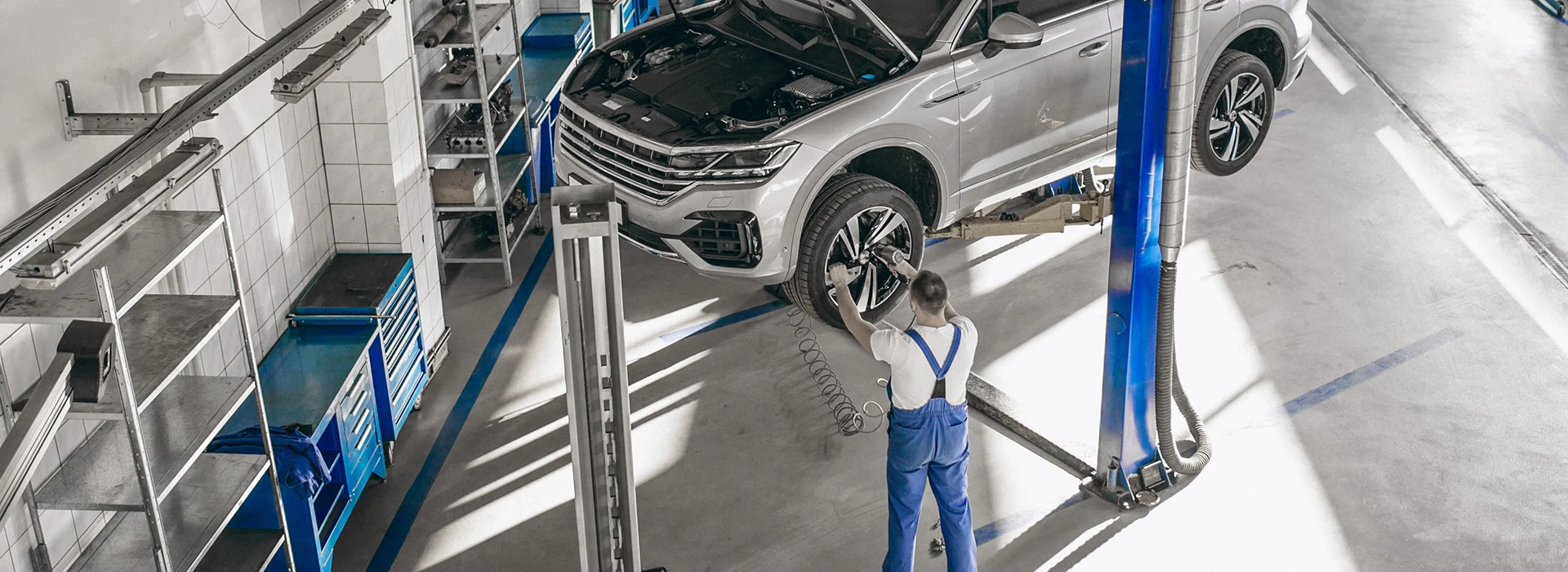
Expert Brake Services in Philadelphia at OccaNova
Our brake service typically takes about 75 minutes, ensuring a comprehensive check and replacement if necessary. Pricing starts at $200 and up, depending on your vehicle's make and model, so you get quality service that fits your budget. We use high-quality parts and the latest techniques to guarantee your brakes perform at their best.
Choosing OccaNova means trusting a friendly and professional team dedicated to your vehicle's safety. We pride ourselves on transparent communication and expert care, making us a top choice for car owners in Philadelphia. Don't wait until you notice brake issues—schedule your brake service with us today and drive with confidence tomorrow.
Why Proper Brake Installation Matters:
- Safety First: Properly installed brakes ensure that your vehicle responds accurately when you press the brake pedal. Incorrect installation can lead to reduced braking power or even brake failure, putting you and others on the road at risk.
- Optimal Performance: When brakes are installed correctly, they function smoothly and efficiently. This means better control over your vehicle, especially in emergency situations or adverse weather conditions.
- Longevity of Brake Components: Proper installation helps prevent premature wear and tear on brake pads, rotors, and other related parts. This not only saves you money in the long run but also maintains consistent braking performance.
- Maintaining Vehicle Value: Well-maintained brakes contribute to the overall health of your car, which can positively impact its resale value.
In summary, investing time and effort into ensuring your brakes are installed correctly is essential. Always rely on professional technicians or follow manufacturer guidelines carefully if you choose to install brakes yourself. Your safety and your vehicle's performance depend on it.
1. Squeaking or Squealing Noises: One of the most common signs of worn brake pads is a high-pitched squeaking or squealing sound when you apply the brakes. This noise often comes from a built-in wear indicator designed to alert you before the pads are completely worn out.
2. Grinding Sounds: If you hear a grinding noise, it usually means the brake pads are completely worn down, and the metal backing is contacting the rotors. This can cause damage to the rotors and requires immediate attention.
3. Reduced Braking Performance: If your vehicle takes longer to stop or the brake pedal feels less responsive, it could indicate worn brake pads or warped rotors. This reduction in braking efficiency is a serious safety concern.
4. Vibrations or Pulsations: Feeling vibrations or pulsations through the brake pedal when braking often points to warped rotors. This can happen due to excessive heat or uneven wear and means the rotors may need resurfacing or replacement.
5. Visual Inspection: You can sometimes see the brake pads through the wheel spokes. If the pad thickness is less than a quarter of an inch, it’s time to consider replacement. Also, look for grooves or scoring on the rotor surface.
6. Warning Lights: Some modern vehicles have brake warning lights on the dashboard that illuminate when there’s an issue with the braking system, including worn pads.
Regularly checking for these signs and addressing brake issues promptly will keep your vehicle safe and reliable. If you notice any of these symptoms, consult a professional mechanic to inspect and service your brakes.
- Prepare Your Workspace: Ensure your car is parked on a flat surface. Use wheel chocks to prevent movement and gather all necessary tools and replacement parts.
- Lift the Vehicle: Use a jack to lift the car and secure it with jack stands. Remove the wheel to access the brake components.
- Remove the Old Brake Components: Start by removing the caliper bolts and carefully take off the brake caliper. Hang it securely to avoid strain on the brake hose. Then, remove the old brake pads and the brake rotor if necessary.
- Inspect and Clean: Check the caliper, brake lines, and other components for wear or damage. Clean the caliper bracket and surrounding areas to ensure proper installation.
- Install New Brake Components: Place the new rotor onto the hub if replaced. Install new brake pads into the caliper bracket. Compress the caliper piston using a suitable tool to make room for the new pads.
- Reassemble the Brake System: Reattach the brake caliper over the new pads and rotor. Tighten all bolts to the manufacturer's specifications.
- Replace the Wheel: Put the wheel back on and hand-tighten the lug nuts. Lower the vehicle and then fully tighten the lug nuts in a star pattern to ensure even pressure.
- Test the Brakes: Before driving, pump the brake pedal several times to seat the new pads properly. Conduct a slow test drive to ensure the brakes are functioning correctly.
Following these steps will help you successfully complete a brake installation, keeping your vehicle safe and reliable on the road.
Disc Brakes:
- Design and Operation: Disc brakes use a flat, exposed rotor that spins with the wheel. When you press the brake pedal, brake pads clamp onto the rotor to create friction and slow the vehicle.
- Performance: They provide superior stopping power, especially in wet conditions, because the open design allows water and debris to be quickly shed.
- Heat Dissipation: Disc brakes dissipate heat more efficiently, reducing the risk of brake fade during heavy or prolonged braking.
- Maintenance: They are generally easier to inspect and replace since the components are more accessible.
Drum Brakes:
- Design and Operation: Drum brakes consist of a drum that rotates with the wheel and brake shoes inside that press outward against the drum to create friction.
- Performance: While effective, drum brakes can be less responsive than disc brakes and may perform poorly in wet conditions due to water retention inside the drum.
- Heat Dissipation: Drum brakes tend to retain heat, which can lead to brake fade under heavy use.
- Maintenance: They are more complex to service because the components are enclosed within the drum.
Which Should Car Owners Choose? For most modern vehicles, disc brakes are preferred due to their better performance, especially in demanding driving conditions. However, drum brakes are still common on rear wheels of some cars because they are cost-effective and provide adequate braking for lighter loads.
Ultimately, the choice between disc and drum brakes depends on your vehicle type, driving habits, and maintenance preferences. Consulting with a professional mechanic can help you decide the best option for your car.
- Skipping the Cleaning Process: Dirt, rust, and debris on brake components can reduce braking efficiency. Always clean the rotor, caliper, and surrounding areas thoroughly before installation.
- Not Inspecting Brake Components: Failing to check the condition of rotors, pads, and hardware can lead to premature wear or failure. Inspect all parts carefully and replace any that show signs of damage or excessive wear.
- Improper Torque on Bolts: Over-tightening or under-tightening bolts can cause damage or unsafe conditions. Use a torque wrench and follow manufacturer specifications for all fasteners.
- Neglecting to Lubricate Moving Parts: Lack of lubrication on caliper slides and hardware can cause sticking or uneven pad wear. Apply the correct brake grease to all necessary points.
- Failing to Bleed the Brake System: Air trapped in brake lines reduces braking power. Always bleed the brakes properly after installation to ensure a firm pedal feel.
- Using Incorrect Brake Pads or Rotors: Using parts not designed for your vehicle can lead to poor performance and safety risks. Always select components that match your car's specifications.
- Ignoring the Bedding-In Process: New brakes require a proper break-in period to function optimally. Follow recommended procedures to bed in your brakes after installation.
By avoiding these common mistakes, car owners can ensure their brake installation is safe, effective, and long-lasting. Remember, taking the time to do the job right is essential for your safety on the road.
- Break in your new brakes properly: Also known as bedding-in, this process involves gently applying the brakes several times during the first 200 miles. Avoid hard stops initially to allow the brake pads and rotors to wear evenly and form a proper friction surface.
- Regularly check brake fluid levels: Brake fluid is essential for hydraulic brake systems. Ensure the fluid is at the recommended level and replace it as per your vehicle manufacturer’s schedule to prevent moisture buildup and corrosion.
- Inspect brake components frequently: Periodically examine brake pads, rotors, and calipers for signs of wear or damage. Early detection can prevent costly repairs and maintain braking efficiency.
- Keep your brakes clean: Dirt and debris can accumulate on brake parts, affecting performance. Use appropriate brake cleaner sprays during routine maintenance to keep components free from contaminants.
- Avoid riding the brakes: Constantly applying slight pressure on the brake pedal can cause premature wear. Use brakes only when necessary and try to anticipate stops to minimize unnecessary braking.
- Listen and feel for changes: Pay attention to any unusual noises, vibrations, or changes in brake responsiveness. These can be early signs that your brakes need attention.
- Schedule professional inspections: Even with regular self-checks, having a certified mechanic inspect your brakes during routine service visits ensures everything remains in top shape.
By following these tips, you’ll help maintain your newly installed brakes in excellent condition, ensuring your safety and peace of mind on the road.