.jpg)








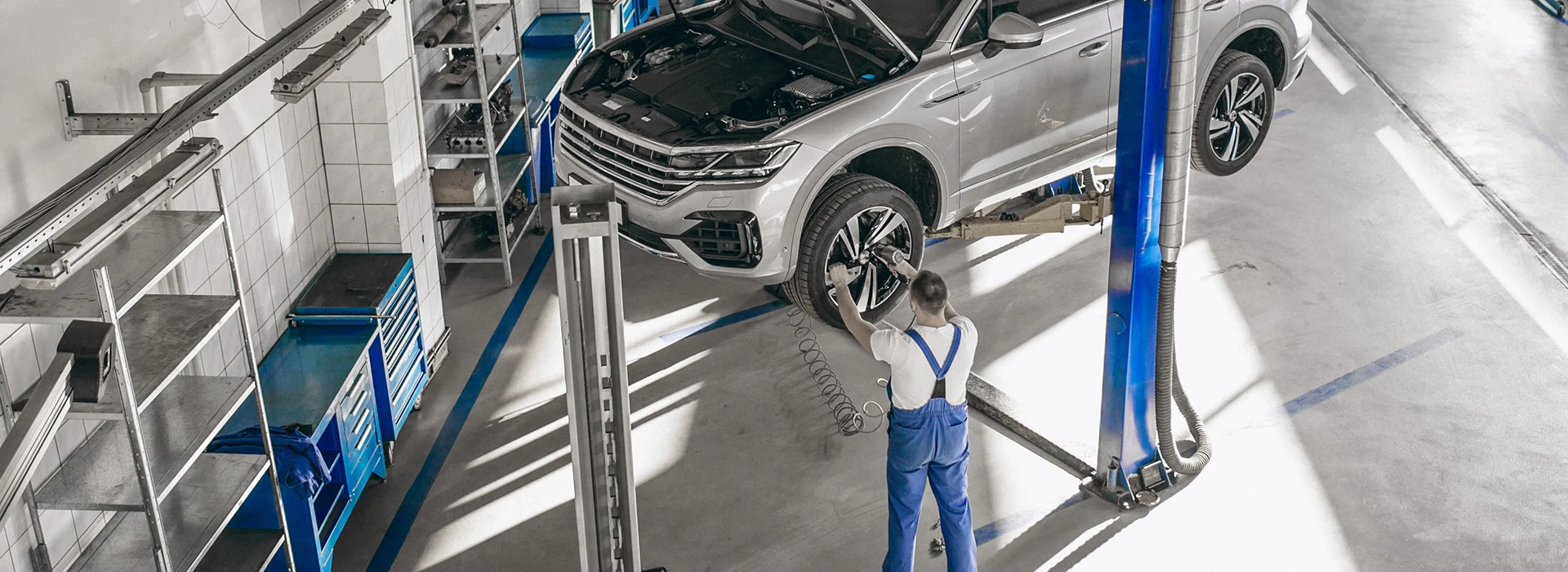
Health Risks of a Malfunctioning Car Heating System
Additionally, a faulty heating system can cause windows to fog up, reducing visibility and increasing the risk of accidents. Poor visibility not only endangers your safety but also that of other road users. Moreover, the heating system plays a role in circulating warm air that helps prevent the buildup of harmful moisture and mold inside the car, which can trigger respiratory issues and allergies.
At OccaNova, located in Philadelphia, we understand the importance of a reliable heating system. Our professional service, typically costing around $140 and taking approximately 150 minutes, ensures your car's heating system is in top condition. Don't compromise your health and safety—schedule a heating system check with us today to keep warm and drive safely all winter long.
Comfort: A reliable heating system ensures that the interior of your vehicle stays warm and cozy, making every journey pleasant regardless of the freezing temperatures outside. It helps prevent discomfort caused by cold air, allowing you to focus on the road without distraction.
Safety: Beyond comfort, the heating system plays a critical role in safety. It helps to defrost and defog windows quickly, maintaining clear visibility which is crucial for safe driving. Without proper heating, windows can fog up or ice over, increasing the risk of accidents.
Regular maintenance of your car's heating system ensures it operates efficiently when you need it most. For car owners, this means scheduling timely inspections and addressing any issues promptly to avoid unexpected failures during cold spells.
In summary, a well-maintained car heating system is vital for both comfort and safety during cold weather. It keeps you warm, improves visibility, and helps you drive confidently through winter conditions.
- Insufficient Heat Output: If you notice that your car's heater is blowing cold or lukewarm air instead of warm air, it could be a sign of a malfunctioning heater core or low coolant levels.
- Unusual Odors: A sweet, syrupy smell inside the car often indicates a coolant leak, which can affect the heating system's performance and may be hazardous.
- Foggy or Moist Windows: Persistent fogging inside the vehicle can signal a leaking heater core, allowing coolant to enter the cabin and increase humidity.
- Coolant Leaks Under the Vehicle: Puddles of coolant beneath your car might point to a damaged heater core or hoses, which can compromise heating efficiency.
- Engine Overheating: Since the heating system relies on the engine's coolant, overheating can be related to heater core issues or coolant circulation problems.
- Strange Noises: Gurgling or banging sounds when the heater is on may indicate trapped air in the cooling system or a failing heater core.
If you experience any of these signs, it's advisable to have your car's heating system inspected by a professional technician promptly. Regular maintenance can help ensure your heating system remains reliable and your driving experience comfortable throughout the year.
Here’s why your car heater is so important during Philadelphia winters:
- Safety on the Road: A functioning heater helps defrost and defog your windshield and windows, ensuring clear visibility. This is crucial for safe driving in icy or snowy conditions common in Philadelphia winters.
- Comfort and Warmth: The biting cold can be uncomfortable and even dangerous if you’re stuck in traffic or facing delays. Your car heater provides essential warmth, making your drive more pleasant and reducing the risk of cold-related health issues.
- Preventing Mechanical Issues: Cold weather can affect your car’s engine and battery. While the heater itself doesn’t directly prevent these issues, a warm interior can help maintain a stable environment, and using the heater often means your engine is running properly.
- Emergency Preparedness: In case of breakdowns or getting stranded, a working heater can be a lifesaver, keeping you warm until help arrives.
In summary, for car owners in Philadelphia, the heater is an indispensable part of your vehicle during winter months. It ensures safety, comfort, and peace of mind when the temperatures drop.
Step 1: Check the Thermostat
Start by inspecting the thermostat, which regulates the engine's temperature. A malfunctioning thermostat can cause your heater to blow cold air or overheat the engine. To diagnose:
- Allow the engine to cool completely.
- Locate the thermostat housing by following the upper radiator hose to the engine.
- Remove the thermostat and inspect it for damage or corrosion.
- Test the thermostat by placing it in hot water; it should open as the water heats.
If the thermostat fails to open, it needs replacement.
Step 2: Check Coolant Levels
Low coolant levels are a common cause of heating problems. Coolant circulates through the heater core to provide warmth inside the car. To check coolant levels:
- Ensure the engine is cool before opening the radiator cap or coolant reservoir.
- Check the coolant level against the markings on the reservoir.
- If low, top up with the appropriate coolant mixture recommended by your vehicle's manufacturer.
- Inspect for leaks under the vehicle or around hoses and connections.
Step 3: Inspect the Heater Core
The heater core acts like a small radiator that transfers heat to the cabin. Signs of a clogged or leaking heater core include a sweet smell inside the car or foggy windows. To diagnose:
- Feel the temperature of the hoses connected to the heater core; both should be warm when the engine is running.
- Look for wet spots or coolant leaks inside the passenger footwell.
Step 4: Verify the Blower Fan Operation
The blower fan pushes warm air into the cabin. If you hear unusual noises or no air at all, the fan or its resistor may be faulty. To check:
- Turn on the heater and adjust the fan speed.
- Listen for the fan motor and check if air is blowing through the vents.
- If the fan does not operate at certain speeds, the resistor may need replacement.
Step 5: Consult a Professional if Needed
If these steps do not resolve the heating issue, it may be time to visit a professional mechanic. Complex problems like water pump failure or air trapped in the cooling system require specialized tools and expertise.
By following this friendly and professional guide, car owners can confidently diagnose common heating system issues and maintain a comfortable driving experience during colder months.
Heating Systems in Older Vehicles
Older vehicles typically use a basic heating system that relies on the engine's coolant to generate warmth. Here's how it works:
- The engine heats up during operation.
- Coolant circulates through the engine, absorbing heat.
- The heated coolant passes through a heater core inside the cabin.
- Air blows over the heater core, warming the air before it enters the passenger compartment.
While this system is straightforward, it has some limitations:
- Slow Warm-Up: It takes time for the engine to reach operating temperature, delaying cabin heating.
- Energy Inefficiency: Heat is a byproduct of engine operation, so heating depends on engine heat rather than a dedicated system.
- Limited Control: Temperature regulation is less precise, often resulting in uneven heating.
Heating Systems in Newer Vehicles
Modern vehicles incorporate advanced heating technologies that enhance efficiency and comfort:
- Electric Heaters: Some cars use electric heating elements that provide instant warmth without waiting for the engine to heat up.
- Heat Pumps: These systems transfer heat from outside air into the cabin, similar to home HVAC systems, offering efficient heating even in cold weather.
- Improved Climate Control: Digital thermostats and sensors allow precise temperature control and faster response times.
- Integration with Engine Management: Modern systems optimize heating based on engine load and fuel efficiency, reducing unnecessary energy use.
These innovations lead to several benefits:
- Faster Cabin Heating: Immediate warmth improves comfort during cold starts.
- Energy Savings: Efficient systems reduce fuel consumption and emissions.
- Enhanced Comfort: Better temperature control and air distribution create a more pleasant driving experience.
Summary
For car owners, the shift from traditional engine-based heating to modern, efficient systems means improved comfort and reduced energy waste. While older vehicles rely solely on engine heat, newer models use electric heaters, heat pumps, and smart controls to deliver warmth quickly and efficiently. Understanding these differences can help you appreciate the advancements in automotive heating technology and make informed decisions when choosing or maintaining your vehicle.
- Foggy Windows: One of the most immediate dangers is the inability to defog your windows effectively. A malfunctioning heater often means the defrost function won't work properly, leading to foggy or icy windows that severely reduce visibility and increase the risk of accidents.
- Engine Overheating: Although the heating system primarily affects the cabin, it is closely linked to the engine's cooling system. A faulty heater core or related components can disrupt the engine's temperature regulation, potentially causing the engine to overheat, which can result in costly repairs or breakdowns.
- Cabin Discomfort: Beyond safety, a broken heating system leads to an uncomfortable driving experience, especially in cold weather. This discomfort can distract the driver or reduce concentration, indirectly affecting driving safety.
In summary, maintaining your car's heating system is essential not only for comfort but also for your safety on the road. If you notice any issues with heating or defrosting, it's best to have your vehicle inspected promptly.