.jpg)








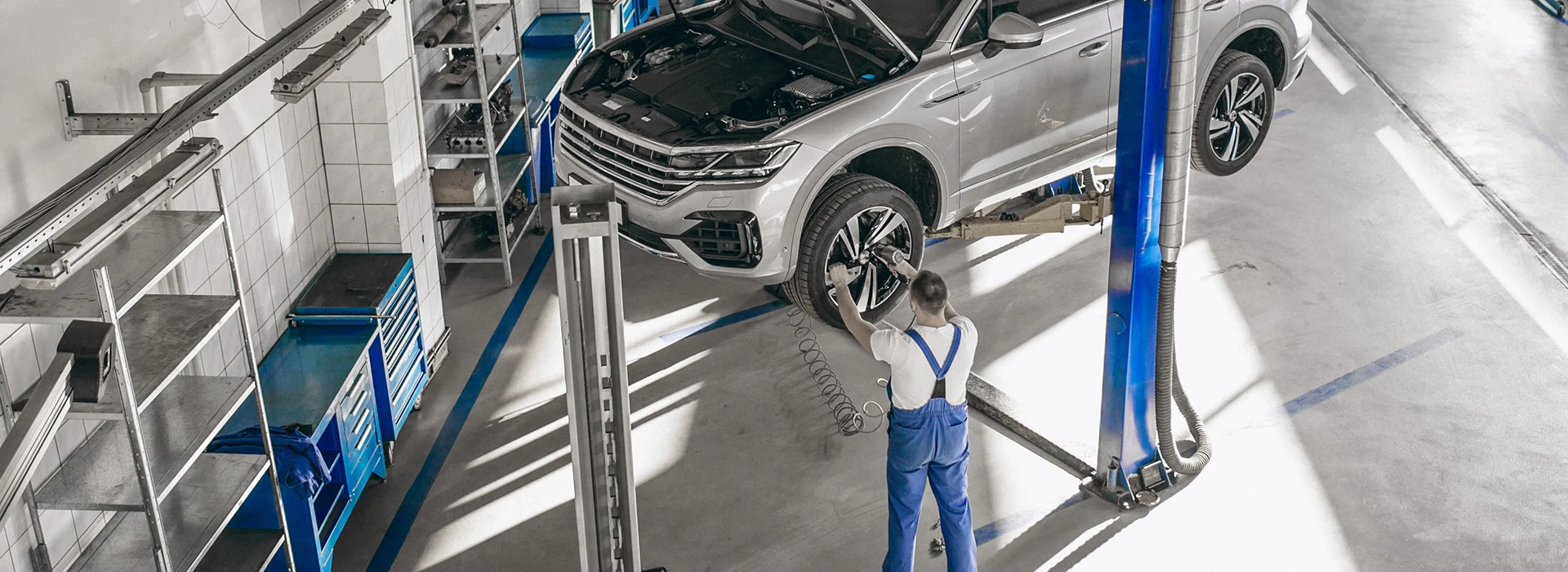
Why Philadelphia's Extreme Weather Makes Radiator Flushes Essential
Radiator fluid, or coolant, plays a vital role in regulating your engine's temperature. However, extreme hot and cold conditions can cause the fluid to break down faster, losing its effectiveness. In Philadelphia's climate, this means your radiator fluid is more prone to corrosion, rust, and sediment buildup, which can clog the system and reduce its ability to cool your engine efficiently.
Regular radiator flushes are essential to combat these issues. By flushing out old, degraded coolant and replacing it with fresh fluid, you help protect your engine from overheating and freezing damage. At OccaNova, we offer professional radiator flush services that typically take around 240 minutes and cost $99, ensuring your vehicle stays in top shape despite the challenging weather.
Don't let Philadelphia's extreme temperatures compromise your car's performance. Schedule a radiator flush with OccaNova today and keep your engine running smoothly all year long.
A radiator flush is a maintenance procedure that involves cleaning out the cooling system of your vehicle. Over time, the radiator and cooling system can accumulate rust, scale, and other debris that reduce its efficiency. During a radiator flush, the old coolant is drained, the system is cleaned with a special flushing solution, and then fresh coolant is added.
Why is a radiator flush important?
- Prevents Overheating: A clean cooling system ensures that your engine stays at the optimal temperature, preventing overheating which can cause serious engine damage.
- Extends Radiator Life: Removing rust and deposits helps avoid corrosion and blockages, prolonging the life of your radiator and cooling components.
- Improves Efficiency: Fresh coolant and a clean system improve heat transfer, which helps your engine run more efficiently.
- Prevents Costly Repairs: Regular radiator flushes can help you avoid expensive repairs related to cooling system failures.
In summary, a radiator flush is a simple yet vital part of vehicle maintenance that helps keep your engine cool, efficient, and running smoothly. Make sure to include it in your regular car care routine to protect your investment and enjoy a reliable driving experience.
What is a Radiator Flush?
A radiator flush involves draining the old coolant from your car's radiator and replacing it with fresh coolant. This process helps remove rust, scale, and other debris that can accumulate over time, preventing your engine from overheating and prolonging the life of your cooling system.
Recommended Frequency for a Radiator Flush
Generally, it is recommended to perform a radiator flush every 30,000 to 60,000 miles or every 2 to 3 years, whichever comes first. However, this can vary depending on your car's make, model, and the type of coolant used. Always consult your vehicle's owner's manual for specific guidelines.
Signs You Might Need a Radiator Flush Sooner
If you notice any of the following signs, it might be time to perform a radiator flush earlier than scheduled:
- Engine overheating frequently
- Coolant appears rusty or dirty
- Unusual smells coming from the engine
- Visible leaks or corrosion around the radiator
Benefits of Regular Radiator Flushes
Keeping up with radiator flushes helps maintain optimal engine temperature, prevents costly repairs, and ensures your car runs efficiently. It's a simple yet effective way to protect your investment and enjoy a reliable driving experience.
In summary, aim to perform a radiator flush every 2 to 3 years or as recommended by your vehicle manufacturer. Regular maintenance will keep your car's cooling system in top shape and help you avoid unexpected breakdowns.
- Overheating Engine: If your engine temperature gauge frequently rises above normal or your car overheats, it could be due to clogged or dirty coolant that needs flushing.
- Discolored or Sludgy Coolant: When you check your radiator or coolant reservoir, the coolant should be bright and clear (usually green, orange, or yellow). If it looks rusty, brown, or has a thick, sludgy texture, it’s a sign that contaminants have built up and a flush is necessary.
- Coolant Leaks: Leaks around the radiator or hoses can sometimes be caused by corrosion inside the cooling system. Flushing the radiator helps remove corrosive elements and prevent further damage.
- Heater Not Working Properly: If your car’s heater isn’t blowing warm air as it should, it might be due to clogged coolant passages, which a radiator flush can clear.
- Unusual Smells or Steam: A sweet smell inside or outside the car or steam coming from under the hood can indicate coolant issues that require attention.
Regular radiator flushes help keep your cooling system clean and efficient, preventing overheating and extending the life of your vehicle. If you notice any of these signs, consider scheduling a radiator flush with a trusted mechanic to keep your car running at its best.
Can you do a radiator flush yourself? The answer is yes, you can perform a radiator flush on your own if you have some basic mechanical skills and the right tools. The process typically involves draining the old coolant, flushing the system with a radiator flush solution or water, and then refilling it with fresh coolant. Many car owners find this to be a cost-effective way to maintain their vehicle.
However, there are a few things to keep in mind:
- Safety first: Make sure the engine is cool before starting to avoid burns from hot coolant.
- Proper disposal: Old coolant is toxic and must be disposed of properly according to local regulations.
- Correct coolant type: Use the coolant recommended by your vehicle's manufacturer.
- Thorough flushing: Incomplete flushing can leave contaminants that may cause overheating or damage.
When should you consider a mechanic? If you’re not comfortable working on your car, lack the necessary tools, or want to ensure the job is done thoroughly, a professional mechanic is a great choice. Mechanics have the experience and equipment to perform a complete radiator flush safely and efficiently. They can also inspect your cooling system for leaks or other issues that might need attention.
In summary, while a radiator flush can be a DIY project for many car owners, it requires care and attention to detail. If you prefer peace of mind and professional service, visiting a mechanic is a smart option.
1. Overheating Engine
Over time, the coolant in your radiator can become contaminated with rust, scale, and debris. This buildup reduces the coolant's ability to absorb and dissipate heat, leading to an overheating engine. An overheated engine can cause severe damage, including warped cylinder heads or a blown head gasket.
2. Corrosion and Rust
Old coolant loses its protective properties, allowing corrosion and rust to form inside the radiator and cooling system. This corrosion can create leaks and blockages, reducing the efficiency of your cooling system and potentially causing costly repairs.
3. Reduced Heater Performance
Your vehicle's heater relies on hot coolant circulating through the heater core. If the coolant is dirty or clogged, you may notice your heater isn't as warm as it should be, especially during colder months.
4. Increased Repair Costs
Neglecting a radiator flush can lead to more significant problems down the road, such as radiator failure, water pump issues, or thermostat malfunctions. These repairs are often more expensive than the cost of a simple radiator flush.
How Often Should You Flush Your Radiator?
Most manufacturers recommend flushing your radiator every 30,000 to 50,000 miles or every 2 to 3 years. However, it's best to consult your vehicle's owner manual or a trusted mechanic for specific guidance.
In Summary
Skipping a radiator flush for too long can lead to overheating, corrosion, reduced heater performance, and costly repairs. To keep your car running smoothly and avoid unexpected breakdowns, make radiator flushes a regular part of your vehicle maintenance routine.
1. Commercial Radiator Flush Solutions: These are specially formulated chemical cleaners designed to remove rust, scale, and other deposits from the radiator and cooling system. Popular brands include Prestone Radiator Flush, BlueDevil Radiator Flush, and Bar's Leaks Radiator Flush. They are easy to use and safe for most vehicles when used as directed.
2. Distilled Water: After using a chemical flush, it’s important to thoroughly rinse the system with distilled water. Unlike tap water, distilled water is free from minerals and impurities that can cause corrosion or deposits inside the radiator.
3. Antifreeze/Coolant: Once the flush is complete and the system is clean, refill with the appropriate type and mixture of antifreeze or coolant recommended by your vehicle manufacturer. This helps protect the radiator from freezing, boiling over, and corrosion.
4. Homemade Solutions (Use with Caution): Some car owners use a mixture of baking soda and water or vinegar to flush their radiators. While these can help break down deposits, they are generally less effective and may not be suitable for all vehicles. It’s best to consult your vehicle’s manual or a professional before using homemade solutions.
In summary, for the best results during a radiator flush, use a high-quality commercial radiator flush product, rinse thoroughly with distilled water, and refill with the correct antifreeze or coolant. This approach ensures your cooling system stays clean and functions efficiently, helping to prevent overheating and costly repairs.
On average, a radiator flush service can cost anywhere between $100 and $150. This price usually includes draining the old coolant, flushing the radiator to remove any buildup or debris, and refilling it with fresh coolant. However, the exact cost can vary depending on several factors:
- Type of Vehicle: Larger vehicles or those with more complex cooling systems may cost more to service.
- Location: Labor rates differ by region and service center.
- Service Provider: Dealerships often charge more than independent mechanics.
- Additional Repairs: If the mechanic finds leaks or damaged parts during the flush, the cost may increase.
Regular radiator flushes help prevent overheating and extend the life of your engine. It's a relatively affordable service that can save you from costly repairs down the road. If you're unsure about when to schedule a flush, consult your vehicle's owner's manual or ask your trusted mechanic.
Remember, investing in routine maintenance like a radiator flush keeps your car running efficiently and safely on the road.
Step 1: Gather Your Supplies
Before you start, make sure you have everything you need: a radiator flush solution, distilled water, a drain pan, a funnel, gloves, safety glasses, and a new coolant or antifreeze suitable for your vehicle.
Step 2: Ensure the Engine is Cool
Never attempt to flush the radiator when the engine is hot. Allow your car to cool down completely to avoid burns or injury.
Step 3: Locate the Radiator Drain Plug
Open the hood and find the radiator drain plug at the bottom of the radiator. Place the drain pan underneath to catch the old coolant.
Step 4: Drain the Old Coolant
Carefully open the drain plug and let the old coolant flow into the pan. Dispose of the used coolant properly, as it is toxic and harmful to the environment.
Step 5: Close the Drain Plug and Add Radiator Flush Solution
Once drained, close the drain plug securely. Pour the radiator flush solution into the radiator using a funnel, then fill the rest with distilled water.
Step 6: Run the Engine
Start your car and let it run with the heater on high for about 10-15 minutes. This allows the flush solution to circulate and clean the system.
Step 7: Drain the Flush Solution
Turn off the engine, let it cool, then drain the flush solution just like you did with the old coolant.
Step 8: Rinse the Radiator
Fill the radiator with distilled water, run the engine again for a few minutes, then drain. Repeat this step until the water runs clear.
Step 9: Refill with New Coolant
Close the drain plug and refill the radiator with the appropriate mix of new coolant and distilled water as recommended by your vehicle's manufacturer.
Step 10: Check for Leaks and Proper Levels
Start the engine, let it reach operating temperature, and check for leaks. Also, monitor the coolant level and top off if necessary.
Performing a radiator flush might seem daunting at first, but with these clear steps, you can maintain your car's cooling system effectively. Regular radiator flushes help extend the life of your engine and keep your vehicle running smoothly. Happy driving!